β1-adrenoceptor

 Target has curated data in GtoImmuPdb
Target id: 28
Nomenclature: β1-adrenoceptor
Family: Adrenoceptors
Annotation status:
 Annotated and expert reviewed
» Email us
Contents:
- Quaternary Structure
- Gene and Protein Information
- Previous and Unofficial Names
- Database Links
- Selected 3D Structures
- Associated Proteins
- Functional Characteristics
- Natural/Endogenous Ligands
- Rank order lists
- Activators
- Inhibitors
- Gating Inhibitors
- Agonists
- Antagonists
- Channel Blockers
- Allosteric Modulators
- Antibodies
- Other Binding Ligands
- Whole Organism Assay Data
- Large-scale Ligand Screening Data
- Immunopharmacology Comments
- Immuno Cell Type Associations
- Immuno Process Associations
- Immuno Disease Associations
- Malaria Pharmacology Comments
- Transduction Mechanisms
- Tissue Distribution
- Expression Datasets
- Functional Assays
- Physiological Functions
- Physiological Consequences of Altering Gene Expression
- Xenobiotics Influencing Gene Expression
- Phenotypes, Alleles and Disease Models
- Clinically-Relevant Mutations and Pathophysiology
- Gene Expression and Pathophysiology
- Biologically Significant Variants
- General Comments
- Available Assays
- References
- Contributors
- How to cite this page
Gene and Protein Information  |
||||||
| class A G protein-coupled receptor | ||||||
| Species | TM | AA | Chromosomal Location | Gene Symbol | Gene Name | Reference |
| Human | 7 | 477 | 10q25.3 | ADRB1 | adrenoceptor beta 1 | 52 |
| Mouse | 7 | 466 | 19 51.96 cM | Adrb1 | adrenergic receptor, beta 1 | 63 |
| Rat | 7 | 466 | 1q55 | Adrb1 | adrenoceptor beta 1 | 85 |
| Previous and Unofficial Names |
| ADRB1R | Adrenergic receptor beta 1 | B1AR | beta-1 adrenergic receptor | beta-1 adrenoreceptor | Adrb-1 | beta 1-AR | adrenergic receptor |
| Database Links |
|
| Specialist databases | |
| GPCRdb | adrb1_human (Hs), adrb1_mouse (Mm), adrb1_rat (Rn) |
| Other databases | |
| Alphafold | P08588 (Hs), P34971 (Mm), P18090 (Rn) |
| ChEMBL Target | CHEMBL213 (Hs), CHEMBL3440 (Mm), CHEMBL3252 (Rn) |
| DrugBank Target | P08588 (Hs) |
| Ensembl Gene | ENSG00000043591 (Hs), ENSMUSG00000035283 (Mm), ENSRNOG00000017002 (Rn) |
| Entrez Gene | 153 (Hs), 11554 (Mm), 24925 (Rn) |
| Human Protein Atlas | ENSG00000043591 (Hs) |
| KEGG Gene | hsa:153 (Hs), mmu:11554 (Mm), rno:24925 (Rn) |
| OMIM | 109630 (Hs) |
| Pharos | P08588 (Hs) |
| RefSeq Nucleotide | NM_000684 (Hs), NM_007419 (Mm), NM_012701 (Rn) |
| RefSeq Protein | NP_000675 (Hs), NP_031445 (Mm), NP_036833 (Rn) |
| UniProtKB | P08588 (Hs), P34971 (Mm), P18090 (Rn) |
| Wikipedia | ADRB1 (Hs) |
| Selected 3D Structures |
|||||||||||||
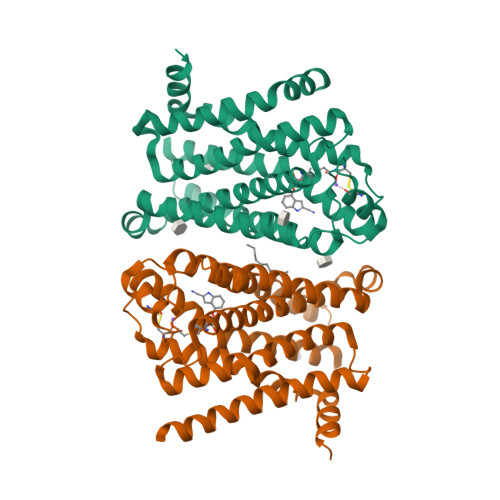
|
|
||||||||||||
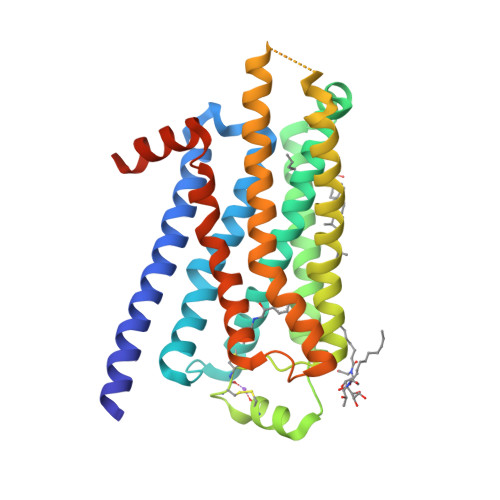
|
|
||||||||||||
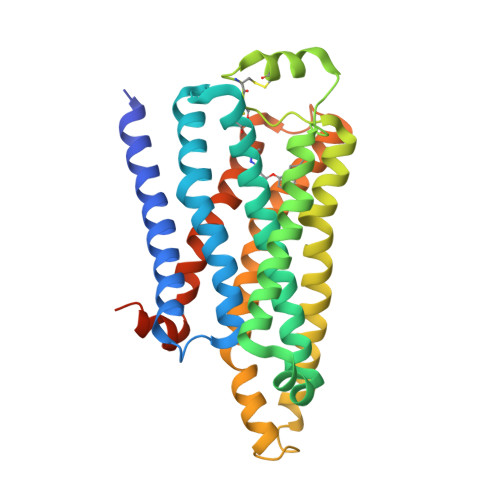
|
|
||||||||||||
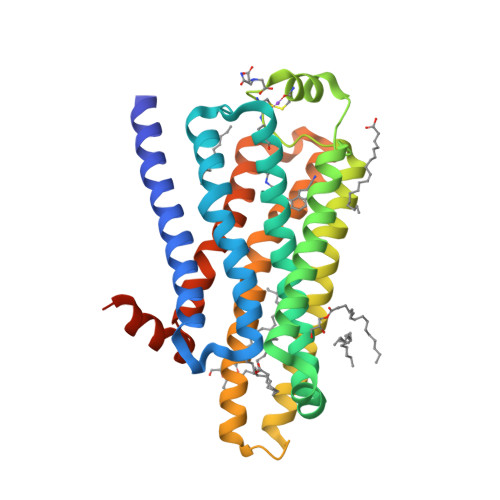
|
|
||||||||||||
|
|
||||||||||||
|
|
||||||||||||
|
|
||||||||||||
|
|
||||||||||||

|
|
||||||||||||
| Associated Proteins |
|||||||||||||||
|
|||||||||||||||
| Natural/Endogenous Ligands |
| (-)-adrenaline |
| (-)-noradrenaline |
| Comments: Noradrenaline exhibits greater potency than adrenaline |
| Potency order of endogenous ligands (Human) |
| (-)-noradrenaline > (-)-adrenaline |
Download all structure-activity data for this target as a CSV file 
| Agonists | |||||||||||||||||||||||||||||||||||||||||||||||||||||||||||||||||||||||||||||||||||||||||||||||||||||||||||||||||||||||||||||||||||||||||||||||||||||||||||||||||||||||||||||||||||||||||||||||||||||||||||||||||||||||||||||||||||||||||||||||||||||||||||||||||||||||||||||||||||||||||||||||||||||||||||||||||||||||||||||||||||||||||||||||||||||||||||||||||||||||||||||||||||||||||||||||||||||||||||||||||||||||||||||||||||||||||||||||||||||||||||||||||||||||||||||||||||||||||||||||||||||||||||||||||||||||||||||||||||||||||||||||||||||||||||||||||||||||||||||||||||||||||||||||||||||||||||||||||||||||||||||||||||||||||||||||||||||||||||||||||||||||||||||||||||||||||||||||||||||||||||||||||||||||||||||||||||||||||||||||||||||||||||||||||||||||||||||||||||||||||||||||||||||||||||||||||||||||||||||||||||||||||||||||||||||||||||||||||||||||||||||||||||||||||||||||||||||||||||||||||||||||||||||||||||||||||||||||||||||||||||||||||||||||||||||||||||||||||||||||||||||||||||||||||||||||||||||||||||||||
| Key to terms and symbols | View all chemical structures | Click column headers to sort | |||||||||||||||||||||||||||||||||||||||||||||||||||||||||||||||||||||||||||||||||||||||||||||||||||||||||||||||||||||||||||||||||||||||||||||||||||||||||||||||||||||||||||||||||||||||||||||||||||||||||||||||||||||||||||||||||||||||||||||||||||||||||||||||||||||||||||||||||||||||||||||||||||||||||||||||||||||||||||||||||||||||||||||||||||||||||||||||||||||||||||||||||||||||||||||||||||||||||||||||||||||||||||||||||||||||||||||||||||||||||||||||||||||||||||||||||||||||||||||||||||||||||||||||||||||||||||||||||||||||||||||||||||||||||||||||||||||||||||||||||||||||||||||||||||||||||||||||||||||||||||||||||||||||||||||||||||||||||||||||||||||||||||||||||||||||||||||||||||||||||||||||||||||||||||||||||||||||||||||||||||||||||||||||||||||||||||||||||||||||||||||||||||||||||||||||||||||||||||||||||||||||||||||||||||||||||||||||||||||||||||||||||||||||||||||||||||||||||||||||||||||||||||||||||||||||||||||||||||||||||||||||||||||||||||||||||||||||||||||||||||||||||||||||||||||||||||||||||||||
|
|||||||||||||||||||||||||||||||||||||||||||||||||||||||||||||||||||||||||||||||||||||||||||||||||||||||||||||||||||||||||||||||||||||||||||||||||||||||||||||||||||||||||||||||||||||||||||||||||||||||||||||||||||||||||||||||||||||||||||||||||||||||||||||||||||||||||||||||||||||||||||||||||||||||||||||||||||||||||||||||||||||||||||||||||||||||||||||||||||||||||||||||||||||||||||||||||||||||||||||||||||||||||||||||||||||||||||||||||||||||||||||||||||||||||||||||||||||||||||||||||||||||||||||||||||||||||||||||||||||||||||||||||||||||||||||||||||||||||||||||||||||||||||||||||||||||||||||||||||||||||||||||||||||||||||||||||||||||||||||||||||||||||||||||||||||||||||||||||||||||||||||||||||||||||||||||||||||||||||||||||||||||||||||||||||||||||||||||||||||||||||||||||||||||||||||||||||||||||||||||||||||||||||||||||||||||||||||||||||||||||||||||||||||||||||||||||||||||||||||||||||||||||||||||||||||||||||||||||||||||||||||||||||||||||||||||||||||||||||||||||||||||||||||||||||||||||||||||||||||||
| View species-specific agonist tables | |||||||||||||||||||||||||||||||||||||||||||||||||||||||||||||||||||||||||||||||||||||||||||||||||||||||||||||||||||||||||||||||||||||||||||||||||||||||||||||||||||||||||||||||||||||||||||||||||||||||||||||||||||||||||||||||||||||||||||||||||||||||||||||||||||||||||||||||||||||||||||||||||||||||||||||||||||||||||||||||||||||||||||||||||||||||||||||||||||||||||||||||||||||||||||||||||||||||||||||||||||||||||||||||||||||||||||||||||||||||||||||||||||||||||||||||||||||||||||||||||||||||||||||||||||||||||||||||||||||||||||||||||||||||||||||||||||||||||||||||||||||||||||||||||||||||||||||||||||||||||||||||||||||||||||||||||||||||||||||||||||||||||||||||||||||||||||||||||||||||||||||||||||||||||||||||||||||||||||||||||||||||||||||||||||||||||||||||||||||||||||||||||||||||||||||||||||||||||||||||||||||||||||||||||||||||||||||||||||||||||||||||||||||||||||||||||||||||||||||||||||||||||||||||||||||||||||||||||||||||||||||||||||||||||||||||||||||||||||||||||||||||||||||||||||||||||||||||||||||||
| Agonist Comments | |||||||||||||||||||||||||||||||||||||||||||||||||||||||||||||||||||||||||||||||||||||||||||||||||||||||||||||||||||||||||||||||||||||||||||||||||||||||||||||||||||||||||||||||||||||||||||||||||||||||||||||||||||||||||||||||||||||||||||||||||||||||||||||||||||||||||||||||||||||||||||||||||||||||||||||||||||||||||||||||||||||||||||||||||||||||||||||||||||||||||||||||||||||||||||||||||||||||||||||||||||||||||||||||||||||||||||||||||||||||||||||||||||||||||||||||||||||||||||||||||||||||||||||||||||||||||||||||||||||||||||||||||||||||||||||||||||||||||||||||||||||||||||||||||||||||||||||||||||||||||||||||||||||||||||||||||||||||||||||||||||||||||||||||||||||||||||||||||||||||||||||||||||||||||||||||||||||||||||||||||||||||||||||||||||||||||||||||||||||||||||||||||||||||||||||||||||||||||||||||||||||||||||||||||||||||||||||||||||||||||||||||||||||||||||||||||||||||||||||||||||||||||||||||||||||||||||||||||||||||||||||||||||||||||||||||||||||||||||||||||||||||||||||||||||||||||||||||||||||||
| BI-167107 is a high affinity β1-/β2-AR agonist that has been used to determine agonist bound structures of these β-subtypes [145]. RO-363 is the only β-AR agonist that displays significant selectivity for the β1-AR subtype and has been used experimentally to examine the physiological roles of β1-AR [90,97]. Noradrenaline displays a minor degree of selectivity for β1-AR [8] and is used clinically by slow intravenous infusion to increase the blood pressure associated with shock mainly utilising its actions on α1-AR although the actions on β-AR may help maintain cardiac output. Xamoterol was trialled for the treatment of heart failure being a partial agonist that provided cardiac stimulation but also block the deleterious effects of high plasma levels of endogenous catecholamines associated with this condition. Unfortunately, however, prolonged stimulation of β1-AR with this compound clearly worsened heart failure and increased mortality so this approach was not successful [41]. Xamoterol, denopamine and dobutamine have varying degrees of β1-AR selectivity and were previously used over short periods to maintain cardiac function in failure. Clinical uses: noradrenaline and adrenaline are used clinically by slow intravenous infusion to increase the blood pressure associated with shock mainly utilising their actions on α1-AR although the actions on β-AR may help maintain cardiac output. Adrenaline is also used by intravenous bolus during cardio-pulmonary resuscitation following cardiac arrest and intramuscularly for the treatment of anaphylaxis to reduce throat swelling, promote bronchodilation and maintain heart function and blood pressure. Isoprenaline was originally developed for use in asthma, but is now restricted to infusion in cases of bradycardia or heart block as a bridge prior to insertion of a permanent pacemaker. |
|||||||||||||||||||||||||||||||||||||||||||||||||||||||||||||||||||||||||||||||||||||||||||||||||||||||||||||||||||||||||||||||||||||||||||||||||||||||||||||||||||||||||||||||||||||||||||||||||||||||||||||||||||||||||||||||||||||||||||||||||||||||||||||||||||||||||||||||||||||||||||||||||||||||||||||||||||||||||||||||||||||||||||||||||||||||||||||||||||||||||||||||||||||||||||||||||||||||||||||||||||||||||||||||||||||||||||||||||||||||||||||||||||||||||||||||||||||||||||||||||||||||||||||||||||||||||||||||||||||||||||||||||||||||||||||||||||||||||||||||||||||||||||||||||||||||||||||||||||||||||||||||||||||||||||||||||||||||||||||||||||||||||||||||||||||||||||||||||||||||||||||||||||||||||||||||||||||||||||||||||||||||||||||||||||||||||||||||||||||||||||||||||||||||||||||||||||||||||||||||||||||||||||||||||||||||||||||||||||||||||||||||||||||||||||||||||||||||||||||||||||||||||||||||||||||||||||||||||||||||||||||||||||||||||||||||||||||||||||||||||||||||||||||||||||||||||||||||||||||||


| Antagonists | |||||||||||||||||||||||||||||||||||||||||||||||||||||||||||||||||||||||||||||||||||||||||||||||||||||||||||||||||||||||||||||||||||||||||||||||||||||||||||||||||||||||||||||||||||||||||||||||||||||||||||||||||||||||||||||||||||||||||||||||||||||||||||||||||||||||||||||||||||||||||||||||||||||||||||||||||||||||||||||||||||||||||||||||||||||||||||||||||||||||||||||||||||||||||||||||||||||||||||||||||||||||||||||||||||||||||||||||||||||||||||||||||||||||||||||||||||||||||||||||||||||||||||||||||||||||||||||||||||||||||||||||||||||||||||||||||||||||||||||||||||||||||||||||||||||||||||||||||||||||||||||||||||||||||||||||||||||||||||||||||||||||||||||||||||||||||||||||||||||||||||||||||||||||||||||||||||||||||||||||||||||||||||||||||||||||||||||||||||||||||||||||||||||||||||||||||||||||||||||||||||||||||||||||||||||||||||||||||||||||||||||||||||||||||||||||||||||||||||||||||||||||||||||||||||||||||||||||||||||||||||||||||||||||||||||||||||||||||||||||||||||||||||||||||||||||||||||||||||||||
| Key to terms and symbols | View all chemical structures | Click column headers to sort | |||||||||||||||||||||||||||||||||||||||||||||||||||||||||||||||||||||||||||||||||||||||||||||||||||||||||||||||||||||||||||||||||||||||||||||||||||||||||||||||||||||||||||||||||||||||||||||||||||||||||||||||||||||||||||||||||||||||||||||||||||||||||||||||||||||||||||||||||||||||||||||||||||||||||||||||||||||||||||||||||||||||||||||||||||||||||||||||||||||||||||||||||||||||||||||||||||||||||||||||||||||||||||||||||||||||||||||||||||||||||||||||||||||||||||||||||||||||||||||||||||||||||||||||||||||||||||||||||||||||||||||||||||||||||||||||||||||||||||||||||||||||||||||||||||||||||||||||||||||||||||||||||||||||||||||||||||||||||||||||||||||||||||||||||||||||||||||||||||||||||||||||||||||||||||||||||||||||||||||||||||||||||||||||||||||||||||||||||||||||||||||||||||||||||||||||||||||||||||||||||||||||||||||||||||||||||||||||||||||||||||||||||||||||||||||||||||||||||||||||||||||||||||||||||||||||||||||||||||||||||||||||||||||||||||||||||||||||||||||||||||||||||||||||||||||||||||||||||||||
|
|||||||||||||||||||||||||||||||||||||||||||||||||||||||||||||||||||||||||||||||||||||||||||||||||||||||||||||||||||||||||||||||||||||||||||||||||||||||||||||||||||||||||||||||||||||||||||||||||||||||||||||||||||||||||||||||||||||||||||||||||||||||||||||||||||||||||||||||||||||||||||||||||||||||||||||||||||||||||||||||||||||||||||||||||||||||||||||||||||||||||||||||||||||||||||||||||||||||||||||||||||||||||||||||||||||||||||||||||||||||||||||||||||||||||||||||||||||||||||||||||||||||||||||||||||||||||||||||||||||||||||||||||||||||||||||||||||||||||||||||||||||||||||||||||||||||||||||||||||||||||||||||||||||||||||||||||||||||||||||||||||||||||||||||||||||||||||||||||||||||||||||||||||||||||||||||||||||||||||||||||||||||||||||||||||||||||||||||||||||||||||||||||||||||||||||||||||||||||||||||||||||||||||||||||||||||||||||||||||||||||||||||||||||||||||||||||||||||||||||||||||||||||||||||||||||||||||||||||||||||||||||||||||||||||||||||||||||||||||||||||||||||||||||||||||||||||||||||||||||||
| View species-specific antagonist tables | |||||||||||||||||||||||||||||||||||||||||||||||||||||||||||||||||||||||||||||||||||||||||||||||||||||||||||||||||||||||||||||||||||||||||||||||||||||||||||||||||||||||||||||||||||||||||||||||||||||||||||||||||||||||||||||||||||||||||||||||||||||||||||||||||||||||||||||||||||||||||||||||||||||||||||||||||||||||||||||||||||||||||||||||||||||||||||||||||||||||||||||||||||||||||||||||||||||||||||||||||||||||||||||||||||||||||||||||||||||||||||||||||||||||||||||||||||||||||||||||||||||||||||||||||||||||||||||||||||||||||||||||||||||||||||||||||||||||||||||||||||||||||||||||||||||||||||||||||||||||||||||||||||||||||||||||||||||||||||||||||||||||||||||||||||||||||||||||||||||||||||||||||||||||||||||||||||||||||||||||||||||||||||||||||||||||||||||||||||||||||||||||||||||||||||||||||||||||||||||||||||||||||||||||||||||||||||||||||||||||||||||||||||||||||||||||||||||||||||||||||||||||||||||||||||||||||||||||||||||||||||||||||||||||||||||||||||||||||||||||||||||||||||||||||||||||||||||||||||||||
| Antagonist Comments | |||||||||||||||||||||||||||||||||||||||||||||||||||||||||||||||||||||||||||||||||||||||||||||||||||||||||||||||||||||||||||||||||||||||||||||||||||||||||||||||||||||||||||||||||||||||||||||||||||||||||||||||||||||||||||||||||||||||||||||||||||||||||||||||||||||||||||||||||||||||||||||||||||||||||||||||||||||||||||||||||||||||||||||||||||||||||||||||||||||||||||||||||||||||||||||||||||||||||||||||||||||||||||||||||||||||||||||||||||||||||||||||||||||||||||||||||||||||||||||||||||||||||||||||||||||||||||||||||||||||||||||||||||||||||||||||||||||||||||||||||||||||||||||||||||||||||||||||||||||||||||||||||||||||||||||||||||||||||||||||||||||||||||||||||||||||||||||||||||||||||||||||||||||||||||||||||||||||||||||||||||||||||||||||||||||||||||||||||||||||||||||||||||||||||||||||||||||||||||||||||||||||||||||||||||||||||||||||||||||||||||||||||||||||||||||||||||||||||||||||||||||||||||||||||||||||||||||||||||||||||||||||||||||||||||||||||||||||||||||||||||||||||||||||||||||||||||||||||||||||
| β1-AR selective antagonists were developed on the basis that β1-AR are important mediators of rate and force of the heart and of renin release from the JGA in the kidney [46]. CGP12177 is a high affinity antagonist of the orthosteric catecholamine conformation of the β1-AR but is also a partial agonist at the β1-AR. The agonist actions result from activity at a non-catecholamine activated site [19] that is resistant to blockade by propranolol but eliminated in β1-AR knockout mice. This site was previously referred to as the β4-AR [56,65] and is also activated by pindolol, alprenolol, cyanopindolol, carazolol and carvedilol and is relatively resistant to antagonism by many β-AR antagonists (compared to the catecholamine conformation). [3H]CGP12177 is used as a β-AR radioligand and is hydrophilic making it particularly useful for labelling cell surface receptors in intact cells [6,8]. Many antagonists acting at β1-AR display partial agonist properties [8,12,15] particularly in in vitro assays. ICI89406 and LK204-545 are examples of partial agonists with significant β1-AR selectivity [96]. Propafenone also primarily blocks α-subunits of sodium ion channels (see the Voltage-gated sodium channels family on this website). Cyanopindolol and 7-methyl cyanopindolol are high affinity antagonists or very weak partial agonists that have been used to explore the relationship between structure and efficacy [117]. Extensive pharmacological evaluation has established structural similarities between the human and turkey β1-AR including the presence of two active conformations activated by CGP12177, but there are important differences regarding the affinity and selectivity of some ligands. These include the ligands that are most selective for the human β1- and β2-AR. In addition, the stabilisation changes required for the structures of the turkey β1-AR to be solved further alter the pharmacology of the receptor [7,122]. Most so-called cardioselective β-AR antagonists display only modest selectivity for the human β1-AR. For this reason, given the high cardiovascular risk and poor airway reversibility in COPD compared to asthma, β-AR antagonists are used with caution in those who have COPD and have had a cardiac event [22,42,81,107,109]. CGP20712A is the most selective easily available β1-AR antagonist and is widely used in in vitro studies with ≥1000 fold selectivity vs. the other 8 adrenoceptors but does have some off-target activity on other receptors and has never been developed for clinical use [12,47]. NDD-713 and NDD-825 are high-affinity β1-AR selective ligands devoid of agonist activity, off-target effects, and toxicology issues, but with good distribution, metabolism and elimination properties [12]. These ligands are largely devoid of the adverse effects of bronchospasm and vasoconstriction associated with blockade of β2-AR and may be beneficial in patients with cardiovascular and respiratory disease or limb ischaemia. Clinical uses: Widely used for heart failure, ischaemic heart disease, cardiac arrythmias, hypertension, glaucoma, portal hypertension, anxiety, migraine, benign essential tremor, thyrotoxicosis, infantile haemangioma [6]. β1-AR blockade may also be useful in ameliorating stroke-associated neuroinflammation by blocking neutrophil β1-ARs [39] (some antagonists may target β2-AR as well as β1-AR). |
|||||||||||||||||||||||||||||||||||||||||||||||||||||||||||||||||||||||||||||||||||||||||||||||||||||||||||||||||||||||||||||||||||||||||||||||||||||||||||||||||||||||||||||||||||||||||||||||||||||||||||||||||||||||||||||||||||||||||||||||||||||||||||||||||||||||||||||||||||||||||||||||||||||||||||||||||||||||||||||||||||||||||||||||||||||||||||||||||||||||||||||||||||||||||||||||||||||||||||||||||||||||||||||||||||||||||||||||||||||||||||||||||||||||||||||||||||||||||||||||||||||||||||||||||||||||||||||||||||||||||||||||||||||||||||||||||||||||||||||||||||||||||||||||||||||||||||||||||||||||||||||||||||||||||||||||||||||||||||||||||||||||||||||||||||||||||||||||||||||||||||||||||||||||||||||||||||||||||||||||||||||||||||||||||||||||||||||||||||||||||||||||||||||||||||||||||||||||||||||||||||||||||||||||||||||||||||||||||||||||||||||||||||||||||||||||||||||||||||||||||||||||||||||||||||||||||||||||||||||||||||||||||||||||||||||||||||||||||||||||||||||||||||||||||||||||||||||||||||||||
| Immunopharmacology Comments |
| β1-AR is involved in immune regulation and inflammation. Inflammation: Astrocytes [26] and microglia [127]. Anti-β1-AR autoantibodies: effect on β1-AR conformation and function [32,48], in heart failure [30,50], cardiac fibrosis [84], and cardiomyopathy [84], |
| Primary Transduction Mechanisms
|
|
| Transducer | Effector/Response |
| Gs family | Adenylyl cyclase stimulation |
| Comments: Stimulation of adenylate cyclase (AC) causes the conversion of ATP into cAMP. This activates protein kinase A, which in turn phosphorylates several substrates, for example L-type Ca2+ channels. | |
| References: 124,141 | |
| Secondary Transduction Mechanisms |
|
| Transducer | Effector/Response |
| Gi/Go family |
Guanylate cyclase stimulation Other - See Comments |
|
Comments:
ERK1/2 phosphorylation. Stimulation of guanylate cyclase (GC) causes an increase in cGMP levels, and subsequent activation of protein kinase G. |
|
| References: 79,137 | |
| Tissue Distribution
|
||||||||
|
||||||||
|
||||||||
|
||||||||
|
||||||||
|
||||||||
|
||||||||
|
||||||||
|
||||||||
|
||||||||
|
||||||||
|
||||||||
|
||||||||
|
||||||||
|
||||||||
|
||||||||
|
||||||||
|
||||||||
|
||||||||
|
||||||||
|
||||||||
|
||||||||
|
||||||||
|
| Expression Datasets |
|
|
| Functional Assays
|
||||||||||
|
||||||||||
|
||||||||||
|
||||||||||
|
||||||||||
|
||||||||||
|
||||||||||
|
||||||||||
|
| Physiological Functions
|
||||||||
|
||||||||
|
||||||||
|
||||||||
|
||||||||
|
||||||||
|
||||||||
|
||||||||
|
||||||||
|
||||||||
|
||||||||
|
||||||||
|
||||||||
|
| Physiological Consequences of Altering Gene Expression
|
||||||||||
|
||||||||||
|
||||||||||
|
||||||||||
|
||||||||||
|
| Phenotypes, Alleles and Disease Models
|
Mouse data from MGI | ||||||||||||||||||||||||||||||||||||||||||||||||||||||||||||||||||||||||||||||||||||||||||||||||||||||||||||||||||
|
|||||||||||||||||||||||||||||||||||||||||||||||||||||||||||||||||||||||||||||||||||||||||||||||||||||||||||||||||||
| Clinically-Relevant Mutations and Pathophysiology
|
||||||||||||||||||||||||
|
||||||||||||||||||||||||
| Biologically Significant Variants
|
||||||||||
|
||||||||||
|
||||||||||
|
| General Comments |
| For a review on the relevance of β-adrenoceptor polymorphisms see references [78] and [1]. |
References
1. Ahles A, Engelhardt S. (2024) Genetic Variants of Adrenoceptors. Handb Exp Pharmacol, 285: 27-54. [PMID:37578621]
2. Ahles A, Rodewald F, Rochais F, Bünemann M, Engelhardt S. (2015) Interhelical interaction and receptor phosphorylation regulate the activation kinetics of different human β1-adrenoceptor variants. J Biol Chem, 290 (3): 1760-9. [PMID:25451930]
3. André C, Erraji L, Gaston J, Grimber G, Briand P, Guillet JG. (1996) Transgenic mice carrying the human beta 2-adrenergic receptor gene with its own promoter overexpress beta 2-adrenergic receptors in liver. Eur J Biochem, 241 (2): 417-24. [PMID:8917438]
4. Böck D, Tidecks L, Wilhelm M, ElGrawani W, Duss S, Trevisan C, Vena D, Reuss AM, Kissling L, Ranucci M et al.. (2025) Prime editing of the β1 adrenoceptor in the brain restores physiological REM sleep in a mouse model of Alzheimer's disease. Nat Commun, 16 (1): 10973. [PMID:41365977]
5. Baker JG. (2005) Site of action of beta-ligands at the human beta1-adrenoceptor. J Pharmacol Exp Ther, 313 (3): 1163-71. [PMID:15716385]
6. Baker JG. (2005) The selectivity of beta-adrenoceptor antagonists at the human beta1, beta2 and beta3 adrenoceptors. Br J Pharmacol, 144 (3): 317-22. [PMID:15655528]
7. Baker JG. (2010) A full pharmacological analysis of the three turkey β-adrenoceptors and comparison with the human β-adrenoceptors. PLoS ONE, 5 (11): e15487. [PMID:21152092]
8. Baker JG. (2010) The selectivity of beta-adrenoceptor agonists at human beta1-, beta2- and beta3-adrenoceptors. Br J Pharmacol, 160 (5): 1048-61. [PMID:20590599]
9. Baker JG. (2026) Comparing the Molecular Pharmacological Properties of Existing β-Blockers to Determine the Theoretically Most "Ideal" Anti-Cancer β-Blocker. Pharmacol Res Perspect, 14 (1): e70214. [PMID:41485077]
10. Baker JG, Adams LA, Salchow K, Mistry SN, Middleton RJ, Hill SJ, Kellam B. (2011) Synthesis and characterization of high-affinity 4,4-difluoro-4-bora-3a,4a-diaza-s-indacene-labeled fluorescent ligands for human β-adrenoceptors. J Med Chem, 54 (19): 6874-87. [PMID:21870877]
11. Baker JG, Fromont C, Bruder M, Thompson KSJ, Kellam B, Hill SJ, Gardiner SM, Fischer PM. (2020) Using Esterase Selectivity to Determine the In Vivo Duration of Systemic Availability and Abolish Systemic Side Effects of Topical β-Blockers. ACS Pharmacol Transl Sci, 3 (4): 737-748. [PMID:32832874]
12. Baker JG, Gardiner SM, Woolard J, Fromont C, Jadhav GP, Mistry SN, Thompson KSJ, Kellam B, Hill SJ, Fischer PM. (2017) Novel selective β1-adrenoceptor antagonists for concomitant cardiovascular and respiratory disease. FASEB J, 31 (7): 3150-3166. [PMID:28400472]
13. Baker JG, Hall IP, Hill SJ. (2003) Agonist actions of "beta-blockers" provide evidence for two agonist activation sites or conformations of the human beta1-adrenoceptor. Mol Pharmacol, 63 (6): 1312-21. [PMID:12761341]
14. Baker JG, Hall IP, Hill SJ. (2003) Agonist and inverse agonist actions of beta-blockers at the human beta 2-adrenoceptor provide evidence for agonist-directed signaling. Mol Pharmacol, 64 (6): 1357-69. [PMID:14645666]
15. Baker JG, Kemp P, March J, Fretwell L, Hill SJ, Gardiner SM. (2011) Predicting in vivo cardiovascular properties of β-blockers from cellular assays: a quantitative comparison of cellular and cardiovascular pharmacological responses. FASEB J, 25 (12): 4486-97. [PMID:21865315]
16. Baker JG, Lim VJY, Proudman RGW, Giese FNZ, Kolb P. (2025) Predicting compounds that interact with the 2 known agonist-induced conformations of the human β1-adrenoceptor. Mol Pharmacol, 107 (11): 100081. [PMID:41289653]
17. Baker JG, Proudman RG, Hawley NC, Fischer PM, Hill SJ. (2008) Role of key transmembrane residues in agonist and antagonist actions at the two conformations of the human beta1-adrenoceptor. Mol Pharmacol, 74 (5): 1246-60. [PMID:18687809]
18. Baker JG, Proudman RG, Hill SJ. (2013) Impact of polymorphic variants on the molecular pharmacology of the two-agonist conformations of the human β1-adrenoceptor. PLoS One, 8 (11): e77582. [PMID:24250787]
19. Baker JG, Proudman RG, Hill SJ. (2014) Identification of key residues in transmembrane 4 responsible for the secondary, low-affinity conformation of the human β1-adrenoceptor. Mol Pharmacol, 85 (5): 811-29. [PMID:24608857]
20. Baker JG, Proudman RG, Hill SJ. (2015) Salmeterol's extreme β2 selectivity is due to residues in both extracellular loops and transmembrane domains. Mol Pharmacol, 87 (1): 103-20. [PMID:25324048]
21. Baker JG, Summers RJ. (2024) Adrenoceptors: Receptors, Ligands and Their Clinical Uses, Molecular Pharmacology and Assays. Handb Exp Pharmacol, 285: 55-145. [PMID:38926158]
22. Baker JG, Wilcox RG. (2017) β-Blockers, heart disease and COPD: current controversies and uncertainties. Thorax, 72 (3): 271-276. [PMID:27927840]
23. Battram C, Charlton SJ, Cuenoud B, Dowling MR, Fairhurst RA, Farr D, Fozard JR, Leighton-Davies JR, Lewis CA, McEvoy L et al.. (2006) In vitro and in vivo pharmacological characterization of 5-[(R)-2-(5,6-diethyl-indan-2-ylamino)-1-hydroxy-ethyl]-8-hydroxy-1H-quinolin-2-one (indacaterol), a novel inhaled beta(2) adrenoceptor agonist with a 24-h duration of action. J Pharmacol Exp Ther, 317 (2): 762-70. [PMID:16434564]
24. Beattie D, Beer D, Bradley ME, Bruce I, Charlton SJ, Cuenoud BM, Fairhurst RA, Farr D, Fozard JR, Janus D et al.. (2012) An investigation into the structure-activity relationships associated with the systematic modification of the β(2)-adrenoceptor agonist indacaterol. Bioorg Med Chem Lett, 22 (19): 6280-5. [PMID:22932315]
25. Beattie D, Bradley M, Brearley A, Charlton SJ, Cuenoud BM, Fairhurst RA, Gedeck P, Gosling M, Janus D, Jones D et al.. (2010) A physical properties based approach for the exploration of a 4-hydroxybenzothiazolone series of beta2-adrenoceptor agonists as inhaled long-acting bronchodilators. Bioorg Med Chem Lett, 20 (17): 5302-7. [PMID:20655218]
26. Benton KC, Wheeler DS, Kurtoglu B, Ansari MBZ, Cibich DP, Gonzalez DA, Herbst MR, Khursheed S, Knorr RC, Lobner D et al.. (2022) Norepinephrine activates β1 -adrenergic receptors at the inner nuclear membrane in astrocytes. Glia, 70 (9): 1777-1794. [PMID:35589612]
27. Berthouze-Duquesnes M, Lucas A, Saulière A, Sin YY, Laurent AC, Galés C, Baillie G, Lezoualc'h F. (2013) Specific interactions between Epac1, β-arrestin2 and PDE4D5 regulate β-adrenergic receptor subtype differential effects on cardiac hypertrophic signaling. Cell Signal, 25 (4): 970-80. [PMID:23266473]
28. Bilezikian JP. (1987) Defining the Role of Adrenergic Receptors in Human Physiology. In Adrenergic Receptors in Man. Edited by Insel PA (Marcel Dekker) 37-68. [ISBN:0824776291]
29. Boivin V, Jahns R, Gambaryan S, Ness W, Boege F, Lohse MJ. (2001) Immunofluorescent imaging of beta 1- and beta 2-adrenergic receptors in rat kidney. Kidney Int, 59 (2): 515-31. [PMID:11168934]
30. Boivin-Jahns V, Uhland K, Holthoff HP, Beyersdorf N, Kocoski V, Kerkau T, Münch G, Lohse MJ, Ungerer M, Jahns R. (2018) Cyclopeptide COR-1 to treat beta1-adrenergic receptor antibody-induced heart failure. PLoS One, 13 (8): e0201160. [PMID:30125285]
31. Booze RM, Crisostomo EA, Davis JN. (1989) Species differences in the localization and number of CNS beta adrenergic receptors: rat versus guinea pig. J Pharmacol Exp Ther, 249 (3): 911-20. [PMID:2567353]
32. Bornholz B, Weidtkamp-Peters S, Schmitmeier S, Seidel CA, Herda LR, Felix SB, Lemoine H, Hescheler J, Nguemo F, Schäfer C et al.. (2013) Impact of human autoantibodies on β1-adrenergic receptor conformation, activity, and internalization. Cardiovasc Res, 97 (3): 472-80. [PMID:23208588]
33. Bristow MR, Ginsburg R, Umans V, Fowler M, Minobe W, Rasmussen R, Zera P, Menlove R, Shah P, Jamieson S et al.. (1986) Beta 1- and beta 2-adrenergic-receptor subpopulations in nonfailing and failing human ventricular myocardium: coupling of both receptor subtypes to muscle contraction and selective beta 1-receptor down-regulation in heart failure. Circ Res, 59 (3): 297-309. [PMID:2876788]
34. Bristow MR, Hershberger RE, Port JD, Minobe W, Rasmussen R. (1989) Beta 1- and beta 2-adrenergic receptor-mediated adenylate cyclase stimulation in nonfailing and failing human ventricular myocardium. Mol Pharmacol, 35 (3): 295-303. [PMID:2564629]
35. Bruun LD, Andersen GØ, Myhre PL, Halvorsen S, Kringen MK, Hansen CH, Molden E, Øie E. (2026) Prognostic relevance of β1-adrenergic receptor polymorphisms on cardiovascular outcome in patients treated with metoprolol after acute myocardial infarction - an observational study. Eur J Clin Pharmacol, 82 (7). [PMID:42271119]
36. Buxton BF, Jones CR, Molenaar P, Summers RJ. (1987) Characterization and autoradiographic localization of beta-adrenoceptor subtypes in human cardiac tissues. Br J Pharmacol, 92 (2): 299-310. [PMID:2823947]
37. Candelore MR, Deng L, Tota L, Guan XM, Amend A, Liu Y, Newbold R, Cascieri MA, Weber AE. (1999) Potent and selective human beta(3)-adrenergic receptor antagonists. J Pharmacol Exp Ther, 290 (2): 649-55. [PMID:10411574]
38. Chen L, Xiao T, Chen L, Xie S, Deng M, Wu D. (2018) The Association of ADRB1 and CYP2D6 Polymorphisms With Antihypertensive Effects and Analysis of Their Contribution to Hypertension Risk. Am J Med Sci, 355 (3): 235-239. [PMID:29549925]
39. Clemente-Moragón A, Oliver E, Calle D, Cussó L, Gómez M, Pradillo JM, Castejón R, Rallón N, Benito JM, Fernández-Ferro JC et al.. (2023) Neutrophil β1 adrenoceptor blockade blunts stroke-associated neuroinflammation. Br J Pharmacol, 180 (4): 459-478. [PMID:36181002]
40. Cros C, Brette F. (2013) Functional subcellular distribution of β1- and β2-adrenergic receptors in rat ventricular cardiac myocytes. Physiol Rep, 1 (3): e00038. [PMID:24303124]
41. Cruickshank JM. (1993) The xamoterol experience in the treatment of heart failure. Am J Cardiol, 71 (9): 61C-64C. [PMID:8465800]
42. Davis LE, Pogge EK, Garg R. (2023) Are beta-blockers safe and effective after myocardial infarction in patients with COPD?. JAAPA, 36 (3): 13-15. [PMID:36815843]
43. De Pascali F, Ippolito M, Wolfe E, Komolov KE, Hopfinger N, Lemenze D, Kim N, Armen RS, An SS, Scott CP et al.. (2022) β2 -Adrenoceptor agonist profiling reveals biased signalling phenotypes for the β2 -adrenoceptor with possible implications for the treatment of asthma. Br J Pharmacol, 179 (19): 4692-4708. [PMID:35732075]
44. Dehvari N, Sato M, Bokhari MH, Kalinovich A, Ham S, Gao J, Nguyen HTM, Whiting L, Mukaida S, Merlin J et al.. (2020) The metabolic effects of mirabegron are mediated primarily by β3 -adrenoceptors. Pharmacol Res Perspect, 8 (5): e00643. [PMID:32813332]
45. Deng X, Chau LP, Chiu SY, Leung KP, Hu Y, Ip WY. (2019) Diagnostic Use of Ultrasonography in Carpal Tunnel Syndrome and Its Correlation with the Chinese Version of Boston Carpal Tunnel Questionnaire. J Med Ultrasound, 27 (3): 124-129. [PMID:31867174]
46. do Vale GT, Ceron CS, Gonzaga NA, Simplicio JA, Padovan JC. (2019) Three Generations of β-blockers: History, Class Differences and Clinical Applicability. Curr Hypertens Rev, 15 (1): 22-31. [PMID:30227820]
47. Dooley DJ, Bittiger H, Reymann NC. (1986) CGP 20712 A: a useful tool for quantitating beta 1- and beta 2-adrenoceptors. Eur J Pharmacol, 130 (1-2): 137-9. [PMID:2877892]
48. Du Y, Yan L, Wang J, Zhan W, Song K, Han X, Li X, Cao J, Liu H. (2012) β1-Adrenoceptor autoantibodies from DCM patients enhance the proliferation of T lymphocytes through the β1-AR/cAMP/PKA and p38 MAPK pathways. PLoS One, 7 (12): e52911. [PMID:23300817]
49. Elnatan J, Molenaar P, Rosenfeldt FL, Summers RJ. (1994) Autoradiographic localization and quantitation of beta 1- and beta 2-adrenoceptors in the human atrioventricular conducting system: a comparison of patients with idiopathic dilated cardiomyopathy and ischemic heart disease. J Mol Cell Cardiol, 26 (3): 313-23. [PMID:7913135]
50. Ernst D, Westerbergh J, Sogkas G, Jablonka A, Ahrenstorf G, Schmidt RE, Heidecke H, Wallentin L, Riemekasten G, Witte T. (2019) Lowered anti-beta1 adrenergic receptor antibody concentrations may have prognostic significance in acute coronary syndrome. Sci Rep, 9 (1): 14552. [PMID:31601947]
51. Evans BA, Merlin J, Bengtsson T, Hutchinson DS. (2019) Adrenoceptors in white, brown, and brite adipocytes. Br J Pharmacol, 176 (14): 2416-2432. [PMID:30801689]
52. Frielle T, Collins S, Daniel KW, Caron MG, Lefkowitz RJ, Kobilka BK. (1987) Cloning of the cDNA for the human β1-adrenergic receptor. Proc Natl Acad Sci USA, 84: 7920-7924. [PMID:2825170]
53. Frielle T, Daniel KW, Caron MG, Lefkowitz RJ. (1988) Structural basis of beta-adrenergic receptor subtype specificity studied with chimeric beta 1/beta 2-adrenergic receptors. Proc Natl Acad Sci USA, 85 (24): 9494-8. [PMID:2849109]
54. Golf S, Løvstad R, Hansson V. (1985) Beta-adrenoceptor density and relative number of beta-adrenoceptor subtypes in biopsies from human right atrial, left ventricular, and right ventricular myocard. Cardiovasc Res, 19 (10): 636-41. [PMID:2996771]
55. Gorelik J, Wright PT, Lyon AR, Harding SE. (2013) Spatial control of the βAR system in heart failure: the transverse tubule and beyond. Cardiovasc Res, 98 (2): 216-24. [PMID:23345264]
56. Granneman JG. (2001) The putative beta4-adrenergic receptor is a novel state of the beta1-adrenergic receptor. Am J Physiol Endocrinol Metab, 280 (2): E199-202. [PMID:11158920]
57. Grisan F, Burdyga A, Iannucci LF, Surdo NC, Pozzan T, Di Benedetto G, Lefkimmiatis K. (2020) Studying β1 and β2 adrenergic receptor signals in cardiac cells using FRET-based sensors. Prog Biophys Mol Biol, 154: 30-38. [PMID:31266653]
58. Hancock AA, DeLean AL, Lefkowitz RJ. (1979) Quantitative resolution of beta-adrenergic receptor subtypes by selective ligand binding: application of a computerized model fitting technique. Mol Pharmacol, 16 (1): 1-9. [PMID:39239]
59. Hellgren I, Sylvén C, Magnusson Y. (2000) Study of the beta1 adrenergic receptor expression in human tissues: immunological approach. Biol Pharm Bull, 23 (6): 700-3. [PMID:10864018]
60. Hoenke C, Bouyssou T, Tautermann CS, Rudolf K, Schnapp A, Konetzki I. (2009) Use of 5-hydroxy-4H-benzo[1,4]oxazin-3-ones as beta2-adrenoceptor agonists. Bioorg Med Chem Lett, 19 (23): 6640-4. [PMID:19875286]
61. Hoffmann C, Leitz MR, Oberdorf-Maass S, Lohse MJ, Klotz KN. (2004) Comparative pharmacology of human beta-adrenergic receptor subtypes--characterization of stably transfected receptors in CHO cells. Naunyn Schmiedebergs Arch Pharmacol, 369 (2): 151-9. [PMID:14730417]
62. Isogaya M, Sugimoto Y, Tanimura R, Tanaka R, Kikkawa H, Nagao T, Kurose H. (1999) Binding pockets of the beta(1)- and beta(2)-adrenergic receptors for subtype-selective agonists. Mol Pharmacol, 56 (5): 875-85. [PMID:10531390]
63. Jasper JR, Link RE, Chruscinski AJ, Kobilka BK, Bernstein D. (1993) Primary structure of the mouse beta 1-adrenergic receptor gene. Biochim Biophys Acta, 1178 (3): 307-9. [PMID:8395893]
64. Jeff JM, Donahue BS, Brown-Gentry K, Roden DM, Crawford DC, Stein CM, Kurnik D. (2014) Genetic variation in the β1-adrenergic receptor is associated with the risk of atrial fibrillation after cardiac surgery. Am Heart J, 167 (1): 101-108.e1. [PMID:24332148]
65. Joseph SS, Lynham JA, Colledge WH, Kaumann AJ. (2004) Binding of (-)-[3H]-CGP12177 at two sites in recombinant human beta 1-adrenoceptors and interaction with beta-blockers. Naunyn Schmiedebergs Arch Pharmacol, 369 (5): 525-32. [PMID:15060759]
66. Joseph SS, Lynham JA, Grace AA, Colledge WH, Kaumann AJ. (2004) Markedly reduced effects of (-)-isoprenaline but not of (-)-CGP12177 and unchanged affinity of beta-blockers at Gly389-beta1-adrenoceptors compared to Arg389-beta1-adrenoceptors. Br J Pharmacol, 142 (1): 51-6. [PMID:15037517]
67. Joseph SS, Lynham JA, Molenaar P, Grace AA, Colledge WH, Kaumann AJ. (2003) Intrinsic sympathomimetic activity of (-)-pindolol mediated through a (-)-propranolol-resistant site of the beta1-adrenoceptor in human atrium and recombinant receptors. Naunyn Schmiedebergs Arch Pharmacol, 368 (6): 496-503. [PMID:14608456]
68. Joyce JN, Lexow N, Kim SJ, Artymyshyn R, Senzon S, Lawrence D, Cassanova MF, Kleinman JE, Bird ED, Winokur A. (1992) Distribution of beta-adrenergic receptor subtypes in human post-mortem brain: alterations in limbic regions of schizophrenics. Synapse, 10 (3): 228-46. [PMID:1313605]
69. Kang J, More KN, Pyo A, Jung Y, Kim DY, Chang DJ. (2021) Bisoprolol-based 18F-PET tracer: Synthesis and preliminary in vivo validation of β1-blocker selectivity for β1-adrenergic receptors in the heart. Bioorg Med Chem Lett, 36: 127789. [PMID:33453362]
70. Kao DP, Davis G, Aleong R, O'Connor CM, Fiuzat M, Carson PE, Anand IS, Plehn JF, Gottlieb SS, Silver MA et al.. (2013) Effect of bucindolol on heart failure outcomes and heart rate response in patients with reduced ejection fraction heart failure and atrial fibrillation. Eur J Heart Fail, 15 (3): 324-33. [PMID:23223178]
71. Kompa AR, Summers RJ. (1999) Desensitization and resensitization of beta 1- and putative beta 4-adrenoceptor mediated responses occur in parallel in a rat model of cardiac failure. Br J Pharmacol, 128 (7): 1399-406. [PMID:10602318]
72. Krushinski Jr JH, Schaus JM, Thompson DC, Calligaro DO, Nelson DL, Luecke SH, Wainscott DB, Wong DT. (2007) Indoloxypropanolamine analogues as 5-HT(1A) receptor antagonists. Bioorg Med Chem Lett, 17 (20): 5600-4. [PMID:17804228]
73. Kwon Y, Song P, Yoon JH, Ghim J, Kim D, Kang B, Lee TG, Kim JA, Choi JK, Youn IK et al.. (2014) Xanthene derivatives increase glucose utilization through activation of LKB1-dependent AMP-activated protein kinase. PLoS One, 9 (9): e108771. [PMID:25250787]
74. Lakkiss B, Refaat MM. (2023) β1 and α2C-Adrenergic Receptor Polymorphisms Are Associated With Lower Incident Ventricular Fibrillation in Patients With ST-Segment-Elevation Myocardial Infarction. J Am Heart Assoc, 12 (6): e029102. [PMID:36927047]
75. Lavoie C, Hébert TE. (2003) Pharmacological characterization of putative beta1-beta2-adrenergic receptor heterodimers. Can J Physiol Pharmacol, 81 (2): 186-95. [PMID:12710533]
76. Lavoie C, Mercier JF, Salahpour A, Umapathy D, Breit A, Villeneuve LR, Zhu WZ, Xiao RP, Lakatta EG, Bouvier M et al.. (2002) Beta 1/beta 2-adrenergic receptor heterodimerization regulates beta 2-adrenergic receptor internalization and ERK signaling efficacy. J Biol Chem, 277 (38): 35402-10. [PMID:12140284]
77. Lee YH, Petkova AP, Konkar AA, Granneman JG. (2015) Cellular origins of cold-induced brown adipocytes in adult mice. FASEB J, 29 (1): 286-99. [PMID:25392270]
78. Leineweber K, Büscher R, Bruck H, Brodde OE. (2004) Beta-adrenoceptor polymorphisms. Naunyn Schmiedebergs Arch Pharmacol, 369 (1): 1-22. [PMID:14647973]
79. Li F, De Godoy M, Rattan S. (2004) Role of adenylate and guanylate cyclases in beta1-, beta2-, and beta3-adrenoceptor-mediated relaxation of internal anal sphincter smooth muscle. J Pharmacol Exp Ther, 308 (3): 1111-20. [PMID:14711933]
80. Lim VJY, Proudman RGW, Monteleone S, Kolb P, Baker JG. (2023) The Isoleucine at Position 118 in Transmembrane 2 Is Responsible for the Selectivity of Xamoterol, Nebivolol, and ICI89406 for the Human β1-Adrenoceptor. Mol Pharmacol, 103 (2): 89-99. [PMID:36351797]
81. Lipworth B, Wedzicha J, Devereux G, Vestbo J, Dransfield MT. (2016) Beta-blockers in COPD: time for reappraisal. Eur Respir J, 48 (3): 880-8. [PMID:27390282]
82. Louis SN, Nero TL, Iakovidis D, Jackman GP, Louis WJ. (1999) LK 204-545, a highly selective beta1-adrenoceptor antagonist at human beta-adrenoceptors. Eur J Pharmacol, 367 (2-3): 431-5. [PMID:10079020]
83. Luzum JA, English JD, Ahmad US, Sun JW, Canan BD, Sadee W, Kitzmiller JP, Binkley PF. (2019) Association of Genetic Polymorphisms in the Beta-1 Adrenergic Receptor with Recovery of Left Ventricular Ejection Fraction in Patients with Heart Failure. J Cardiovasc Transl Res, 12 (4): 280-289. [PMID:30756358]
84. Lv T, Du Y, Cao N, Zhang S, Gong Y, Bai Y, Wang W, Liu H. (2016) Proliferation in cardiac fibroblasts induced by β1-adrenoceptor autoantibody and the underlying mechanisms. Sci Rep, 6: 32430. [PMID:27577254]
85. Machida CA, Bunzow JR, Searles RP, Van Tol H, Tester B, Neve KA, Teal P, Nipper V, Civelli O. (1990) Molecular cloning and expression of the rat beta 1-adrenergic receptor gene. J Biol Chem, 265 (22): 12960-5. [PMID:1695899]
86. Maqbool A, Hall AS, Ball SG, Balmforth AJ. (1999) Common polymorphisms of beta1-adrenoceptor: identification and rapid screening assay. Lancet, 353 (9156): 897. [PMID:10093986]
87. Mason DA, Moore JD, Green SA, Liggett SB. (1999) A gain-of-function polymorphism in a G-protein coupling domain of the human beta1-adrenergic receptor. J Biol Chem, 274 (18): 12670-4. [PMID:10212248]
88. Matt RA, Martin RS, Evans AK, Gever JR, Vargas GA, Shamloo M, Ford AP. (2024) Locus Coeruleus and Noradrenergic Pharmacology in Neurodegenerative Disease. Handb Exp Pharmacol, 285: 555-616. [PMID:37495851]
89. McLeod AA, Stiles GL, Shand DG. (1984) Demonstration of beta adrenoceptor blockade by propafenone hydrochloride: clinical pharmacologic, radioligand binding and adenylate cyclase activation studies. J Pharmacol Exp Ther, 228 (2): 461-6. [PMID:6141285]
90. McPherson GA, Malta E, Molenaar P, Raper C. (1984) The affinity and efficacy of the selective beta 1-adrenoceptor stimulant RO363 at beta 1- and beta 2-adrenoceptor sites. Br J Pharmacol, 82 (4): 897-904. [PMID:6148117]
91. Meister B, Dagerlind A, Nicholas AP, Hökfelt T. (1994) Patterns of messenger RNA expression for adrenergic receptor subtypes in the rat kidney. J Pharmacol Exp Ther, 268 (3): 1605-11. [PMID:8138972]
92. Mercier JF, Salahpour A, Angers S, Breit A, Bouvier M. (2002) Quantitative assessment of beta 1- and beta 2-adrenergic receptor homo- and heterodimerization by bioluminescence resonance energy transfer. J Biol Chem, 277 (47): 44925-31. [PMID:12244098]
93. Merino F, Köck Z, Ermel U, Dahlhaus P, Grimm A, Seybert A, Kubicek J, Frangakis AS, Dötsch V, Hilger D et al.. (2025) Cryo-EM structure of a cell-free synthesized full-length human β1-adrenergic receptor in complex with Gs. Structure, 33 (11): 1867-1877.e5. [PMID:40858117]
94. Miller-Gallacher JL, Nehmé R, Warne T, Edwards PC, Schertler GF, Leslie AG, Tate CG. (2014) The 2.1 Å resolution structure of cyanopindolol-bound β1-adrenoceptor identifies an intramembrane Na+ ion that stabilises the ligand-free receptor. PLoS One, 9 (3): e92727. [PMID:24663151]
95. Minneman KP, Hegstrand LR, Molinoff PB. (1979) The pharmacological specificity of beta-1 and beta-2 adrenergic receptors in rat heart and lung in vitro. Mol Pharmacol, 16 (1): 21-33. [PMID:39243]
96. Mistry SN, Baker JG, Fischer PM, Hill SJ, Gardiner SM, Kellam B. (2013) Synthesis and in vitro and in vivo characterization of highly β1-selective β-adrenoceptor partial agonists. J Med Chem, 56 (10): 3852-65. [PMID:23614528]
97. Molenaar P, Sarsero D, Arch JR, Kelly J, Henson SM, Kaumann AJ. (1997) Effects of (-)-RO363 at human atrial beta-adrenoceptor subtypes, the human cloned beta 3-adrenoceptor and rodent intestinal beta 3-adrenoceptors. Br J Pharmacol, 120 (2): 165-76. [PMID:9117106]
98. Molenaar P, Savarimuthu SM, Sarsero D, Chen L, Semmler AB, Carle A, Yang I, Bartel S, Vetter D, Beyerdörfer I et al.. (2007) (-)-Adrenaline elicits positive inotropic, lusitropic, and biochemical effects through beta2 -adrenoceptors in human atrial myocardium from nonfailing and failing hearts, consistent with Gs coupling but not with Gi coupling. Naunyn Schmiedebergs Arch Pharmacol, 375 (1): 11-28. [PMID:17295024]
99. Moukhametzianov R, Warne T, Edwards PC, Serrano-Vega MJ, Leslie AG, Tate CG, Schertler GF. (2011) Two distinct conformations of helix 6 observed in antagonist-bound structures of a beta1-adrenergic receptor. Proc Natl Acad Sci USA, 108 (20): 8228-32. [PMID:21540331]
100. Myslivecek J, Nováková M, Palkovits M, Krizanová O, Kvetnanský R. (2006) Distribution of mRNA and binding sites of adrenoceptors and muscarinic receptors in the rat heart. Life Sci, 79 (2): 112-20. [PMID:16427094]
101. Nasrollahi-Shirazi S, Sucic S, Yang Q, Freissmuth M, Nanoff C. (2016) Comparison of the β-Adrenergic Receptor Antagonists Landiolol and Esmolol: Receptor Selectivity, Partial Agonism, and Pharmacochaperoning Actions. J Pharmacol Exp Ther, 359 (1): 73-81. [PMID:27451411]
102. Obara K, Shigematsu M, Takahasi H, Iiboshi Y, Yoshioka K, Kasuya Y, Tanaka Y. (2020) Pharmacological properties of β-adrenoceptors mediating rat superior mesenteric artery relaxation and the effects of chemical sympathetic denervation. Life Sci, 241: 117155. [PMID:31837330]
103. Oostendorp J, Preitner F, Moffatt J, Jimenez M, Giacobino JP, Molenaar P, Kaumann AJ. (2000) Contribution of beta-adrenoceptor subtypes to relaxation of colon and oesophagus and pacemaker activity of ureter in wildtype and beta(3)-adrenoceptor knockout mice. Br J Pharmacol, 130 (4): 747-58. [PMID:10864880]
104. Pazos A, Probst A, Palacios JM. (1985) Beta-adrenoceptor subtypes in the human brain: autoradiographic localization. Brain Res, 358 (1-2): 324-8. [PMID:3000516]
105. Proudman RGW, Baker JG. (2025) A Comparison of the Molecular Pharmacological Properties of Current Short, Long, and Ultra-Long-Acting β2-Agonists Used for Asthma and COPD. Pharmacol Res Perspect, 13 (5): e70154. [PMID:40887869]
106. Pönicke K, Heinroth-Hoffmann I, Brodde OE. (2003) Role of beta 1- and beta 2-adrenoceptors in hypertrophic and apoptotic effects of noradrenaline and adrenaline in adult rat ventricular cardiomyocytes. Naunyn Schmiedebergs Arch Pharmacol, 367 (6): 592-9. [PMID:12750877]
107. Quint JK, Herrett E, Bhaskaran K, Timmis A, Hemingway H, Wedzicha JA, Smeeth L. (2013) Effect of β blockers on mortality after myocardial infarction in adults with COPD: population based cohort study of UK electronic healthcare records. BMJ, 347: f6650. [PMID:24270505]
108. Ranade K, Jorgenson E, Sheu WH, Pei D, Hsiung CA, Chiang FT, Chen YD, Pratt R, Olshen RA, Curb D et al.. (2002) A polymorphism in the beta1 adrenergic receptor is associated with resting heart rate. Am J Hum Genet, 70 (4): 935-42. [PMID:11854867]
109. Rasmussen DB, Bodtger U, Lamberts M, Torp-Pedersen C, Gislason G, Lange P, Jensen MT. (2020) Beta-blocker use and acute exacerbations of COPD following myocardial infarction: a Danish nationwide cohort study. Thorax, 75 (11): 928-933. [PMID:32820080]
110. Roberts SJ, Papaioannou M, Evans BA, Summers RJ. (1997) Functional and molecular evidence for beta 1-, beta 2- and beta 3- adrenoceptors in human colon. Br J Pharmacol, 120 (8): 1527-35. [PMID:9113375]
111. Roberts SJ, Papaioannou M, Evans BA, Summers RJ. (1999) Characterization of beta-adrenoceptor mediated smooth muscle relaxation and the detection of mRNA for beta1-, beta2- and beta3-adrenoceptors in rat ileum. Br J Pharmacol, 127 (4): 949-61. [PMID:10433503]
112. Rohrer DK, Chruscinski A, Schauble EH, Bernstein D, Kobilka BK. (1999) Cardiovascular and metabolic alterations in mice lacking both beta1- and beta2-adrenergic receptors. J Biol Chem, 274 (24): 16701-8. [PMID:10358009]
113. Rohrer DK, Desai KH, Jasper JR, Stevens ME, Regula Jr DP, Barsh GS, Bernstein D, Kobilka BK. (1996) Targeted disruption of the mouse beta1-adrenergic receptor gene: developmental and cardiovascular effects. Proc Natl Acad Sci USA, 93 (14): 7375-80. [PMID:8693001]
114. Rohrer DK, Schauble EH, Desai KH, Kobilka BK, Bernstein D. (1998) Alterations in dynamic heart rate control in the beta 1-adrenergic receptor knockout mouse. Am J Physiol, 274 (4): H1184-93. [PMID:9575921]
115. Russo-Neustadt A, Cotman CW. (1997) Adrenergic receptors in Alzheimer's disease brain: selective increases in the cerebella of aggressive patients. J Neurosci, 17 (14): 5573-80. [PMID:9204938]
116. Sano M, Yoshimasa T, Yagura T, Yamamoto I. (1993) Non-homogeneous distribution of beta 1- and beta 2-adrenoceptors in various human tissues. Life Sci, 52 (12): 1063-70. [PMID:8383268]
117. Sato T, Baker J, Warne T, Brown GA, Leslie AG, Congreve M, Tate CG. (2015) Pharmacological Analysis and Structure Determination of 7-Methylcyanopindolol-Bound β1-Adrenergic Receptor. Mol Pharmacol, 88 (6): 1024-34. [PMID:26385885]
118. Sato Y, Kurose H, Isogaya M, Nagao T. (1996) Molecular characterization of pharmacological properties of T-0509 for beta-adrenoceptors. Eur J Pharmacol, 315 (3): 363-7. [PMID:8982677]
119. Scharf MM, Bünemann M, Baker JG, Kolb P. (2019) Comparative Docking to Distinct G Protein-Coupled Receptor Conformations Exclusively Yields Ligands with Agonist Efficacy. Mol Pharmacol, 96 (6): 851-861. [PMID:31624135]
120. Sharif NA, Xu SX, Crider JY, McLaughlin M, Davis TL. (2001) Levobetaxolol (Betaxon) and other beta-adrenergic antagonists: preclinical pharmacology, IOP-lowering activity and sites of action in human eyes. J Ocul Pharmacol Ther, 17 (4): 305-17. [PMID:11572462]
121. Smith C, Teitler M. (1999) Beta-blocker selectivity at cloned human beta 1- and beta 2-adrenergic receptors. Cardiovasc Drugs Ther, 13 (2): 123-6. [PMID:10372227]
122. Soave M, Cseke G, Hutchings CJ, Brown AJH, Woolard J, Hill SJ. (2018) A monoclonal antibody raised against a thermo-stabilised β1-adrenoceptor interacts with extracellular loop 2 and acts as a negative allosteric modulator of a sub-set of β1-adrenoceptors expressed in stable cell lines. Biochem Pharmacol, 147: 38-54. [PMID:29102678]
123. Soave M, Stoddart LA, Brown A, Woolard J, Hill SJ. (2016) Use of a new proximity assay (NanoBRET) to investigate the ligand-binding characteristics of three fluorescent ligands to the human β1-adrenoceptor expressed in HEK-293 cells. Pharmacol Res Perspect, 4 (5): e00250. [PMID:27588207]
124. Stiles GL, Caron MG, Lefkowitz RJ. (1984) Beta-adrenergic receptors: biochemical mechanisms of physiological regulation. Physiol Rev, 64 (2): 661-743. [PMID:6143332]
125. Stiles GL, Taylor S, Lefkowitz RJ. (1983) Human cardiac beta-adrenergic receptors: subtype heterogeneity delineated by direct radioligand binding. Life Sci, 33 (5): 467-73. [PMID:6135968]
126. Strosberg AD. (1997) Structure and function of the beta 3-adrenergic receptor. Annu Rev Pharmacol Toxicol, 37: 421-50. [PMID:9131260]
127. Sugama S, Takenouchi T, Hashimoto M, Ohata H, Takenaka Y, Kakinuma Y. (2019) Stress-induced microglial activation occurs through β-adrenergic receptor: noradrenaline as a key neurotransmitter in microglial activation. J Neuroinflammation, 16 (1): 266. [PMID:31847911]
128. Sugimoto Y, Fujisawa R, Tanimura R, Lattion AL, Cotecchia S, Tsujimoto G, Nagao T, Kurose H. (2002) Beta(1)-selective agonist (-)-1-(3,4-dimethoxyphenetylamino)-3-(3,4-dihydroxy)-2-propanol [(-)-RO363] differentially interacts with key amino acids responsible for beta(1)-selective binding in resting and active states. J Pharmacol Exp Ther, 301 (1): 51-8. [PMID:11907156]
129. Summers RJ, Molnaar P, Russell F, Elnatan J, Jones CR, Buxton BF, Chang V, Hambley J. (1989) Coexistence and localization of beta 1- and beta 2-adrenoceptors in the human heart. Eur Heart J, 10 Suppl B: 11-21. [PMID:2553407]
130. Suzuki T, Nantel F, Bonin H, Valiquette M, Bouvier M. (1993) Cellular characterization of the pharmacological selectivity and tachyphylactic properties of denopamine for the human beta adrenergic receptors. J Pharmacol Exp Ther, 267 (2): 785-90. [PMID:7902433]
131. Sykes DA, Jiménez-Rosés M, Reilly J, Fairhurst RA, Charlton SJ, Veprintsev DB. (2022) Exploring the kinetic selectivity of drugs targeting the β1 -adrenoceptor. Pharmacol Res Perspect, 10 (4): e00978. [PMID:35762357]
132. Takasu T, Ukai M, Sato S, Matsui T, Nagase I, Maruyama T, Sasamata M, Miyata K, Uchida H, Yamaguchi O. (2007) Effect of (R)-2-(2-aminothiazol-4-yl)-4'-{2-[(2-hydroxy-2-phenylethyl)amino]ethyl} acetanilide (YM178), a novel selective beta3-adrenoceptor agonist, on bladder function. J Pharmacol Exp Ther, 321 (2): 642-7. [PMID:17293563]
133. Tricomi J, Landini L, Nieddu V, Cavallaro U, Baker JG, Papakyriakou A, Richichi B. (2023) Rational design, synthesis, and pharmacological evaluation of a cohort of novel beta-adrenergic receptors ligands enables an assessment of structure-activity relationships. Eur J Med Chem, 246: 114961. [PMID:36495629]
134. Uehling DE, Shearer BG, Donaldson KH, Chao EY, Deaton DN, Adkison KK, Brown KK, Cariello NF, Faison WL, Lancaster ME et al.. (2006) Biarylaniline phenethanolamines as potent and selective beta3 adrenergic receptor agonists. J Med Chem, 49 (9): 2758-71. [PMID:16640337]
135. Vago T, Bevilacqua M, Dagani R, Meroni R, Frigeni G, Santoliss C, Norbiato G. (1984) Comparison of rat and human left ventricle beta-adrenergic receptors: subtype heterogeneity delineated by direct radioligand binding. Biochem Biophys Res Commun, 121 (1): 346-54. [PMID:6329198]
136. Vaiciūniene R, Kuzminskis V, Kadisaite I. (2003) [Hospitalizations of hemodialysis patients (data of Kaunas University of Medicine Hospital in 2001)]. Medicina (Kaunas), 39 Suppl 1: 109-14. [PMID:12761431]
137. Wang J, Hanada K, Staus DP, Makara MA, Dahal GR, Chen Q, Ahles A, Engelhardt S, Rockman HA. (2017) Gαi is required for carvedilol-induced β1 adrenergic receptor β-arrestin biased signaling. Nat Commun, 8 (1): 1706. [PMID:29167435]
138. Wang Y, Shi Q, Li M, Zhao M, Reddy Gopireddy R, Teoh JP, Xu B, Zhu C, Ireton KE, Srinivasan S et al.. (2021) Intracellular β1-Adrenergic Receptors and Organic Cation Transporter 3 Mediate Phospholamban Phosphorylation to Enhance Cardiac Contractility. Circ Res, 128 (2): 246-261. [PMID:33183171]
139. Warne T, Moukhametzianov R, Baker JG, Nehmé R, Edwards PC, Leslie AG, Schertler GF, Tate CG. (2011) The structural basis for agonist and partial agonist action on a β(1)-adrenergic receptor. Nature, 469 (7329): 241-4. [PMID:21228877]
140. Warne T, Serrano-Vega MJ, Baker JG, Moukhametzianov R, Edwards PC, Henderson R, Leslie AG, Tate CG, Schertler GF. (2008) Structure of a beta1-adrenergic G-protein-coupled receptor. Nature, 454 (7203): 486-91. [PMID:18594507]
141. Wenzel-Seifert K, Liu HY, Seifert R. (2002) Similarities and differences in the coupling of human beta1- and beta2-adrenoceptors to Gs(alpha) splice variants. Biochem Pharmacol, 64 (1): 9-20. [PMID:12106601]
142. Wong YW, Haqqani H, Molenaar P. (2024) Roles of β-adrenoceptor Subtypes and Therapeutics in Human Cardiovascular Disease: Heart Failure, Tachyarrhythmias and Other Cardiovascular Disorders. Handb Exp Pharmacol, 285: 247-295. [PMID:38844580]
143. Wright PT, Gorelik J, Harding SE. (2021) Electrophysiological Remodeling: Cardiac T-Tubules and ß-Adrenoceptors. Cells, 10 (9). [PMID:34572106]
144. Xu J, He J, Castleberry AM, Balasubramanian S, Lau AG, Hall RA. (2003) Heterodimerization of alpha 2A- and beta 1-adrenergic receptors. J Biol Chem, 278 (12): 10770-7. [PMID:12529373]
145. Xu X, Kaindl J, Clark MJ, Hübner H, Hirata K, Sunahara RK, Gmeiner P, Kobilka BK, Liu X. (2021) Binding pathway determines norepinephrine selectivity for the human β1AR over β2AR. Cell Res, 31 (5): 569-579. [PMID:33093660]
146. Yamada S, Niiya R, Ito Y, Kato Y, Onoue S. (2022) Comparative characterization of β-adrenoceptors in the bladder, heart, and lungs of rats: Alterations in spontaneously hypertensive rats. J Pharmacol Sci, 148 (1): 51-55. [PMID:34924129]
147. Yamamoto S, Kusabuka H, Matsuzawa A, Maruyama I, Yamazaki T. (2023) Vibegron shows high selectivity and potent agonist activity for β3-adrenoceptors, irrespective of receptor density. PLoS One, 18 (9): e0290685. [PMID:37656760]
148. Yatani A, Tajima Y, Green SA. (1999) Coupling of beta-adrenergic receptors to cardiac L-type Ca2+ channels: preferential coupling of the beta1 versus beta2 receptor subtype and evidence for PKA-independent activation of the channel. Cell Signal, 11 (5): 337-42. [PMID:10376806]
149. Zhu WZ, Chakir K, Zhang S, Yang D, Lavoie C, Bouvier M, Hébert TE, Lakatta EG, Cheng H, Xiao RP. (2005) Heterodimerization of beta1- and beta2-adrenergic receptor subtypes optimizes beta-adrenergic modulation of cardiac contractility. Circ Res, 97 (3): 244-51. [PMID:16002745]




Creative Commons Attribution-ShareAlike 4.0 International License